The Brand That Helped Redefine Hotel Luxury

How a small London fragrance company found its place in the world’s finest hotels.
In the 1970s, British fragrance was undergoing a period of reinvention. While the grand British fragrance houses and traditional scents of an earlier England were still prominent, tastes were changing, thanks in part to the rise of environmentalism. Driven by a newfound reverence for nature, earthy, botanical, and intimate scents like patchouli and musk surged into the mainstream.
This sensory shift soon made its way indoors, reviving traditional methods of scenting the home, most notably, potpourri. Brothers Tony and Michael Karger entered this market in 1975 producing candles and potpourri, fragrant luxuries designed to create atmosphere. Operating under the distinctly British moniker Gilchrist & Soames, the brothers expanded into exceptional bath products by the late 1970s, with their growing hotel toiletries business attracting increasing interest and ultimately helping shape the company's future.
A Different Kind of Luxury
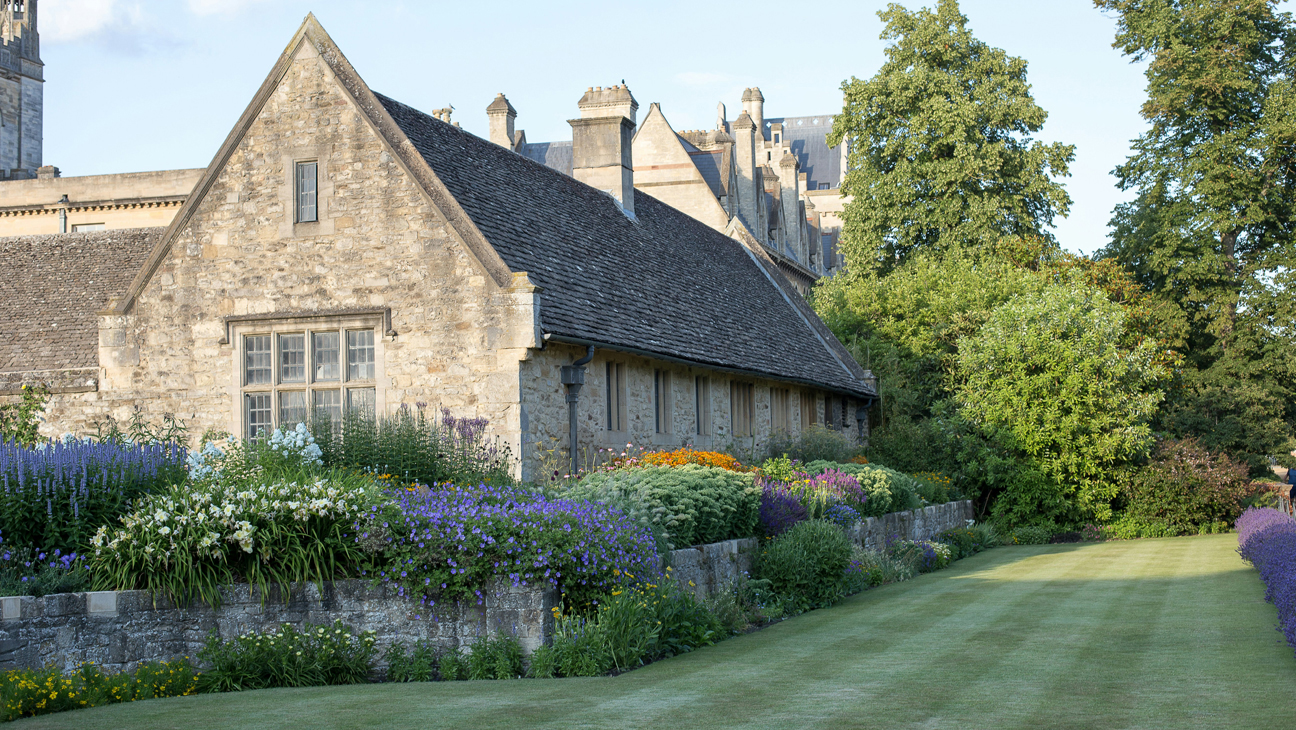
The hospitality industry was undergoing its own transformation outside of London. Throughout the English countryside, historic manor houses and private estates were being converted into intimate hotels. Unlike the large hotels in London, these country-house hotels provided the deeply personal feeling of being a guest in a beautiful English home. Details mattered more than ever, with handpicked flowers from the garden, crisp linens, tea by the fire, and ultimately, what awaited a guest in the bath. As the worlds of fragrance and hospitality began to intersect, Gilchrist & Soames found its legacy in the making.
The Bathroom Becomes Part of the Experience
Today, finding beautifully packaged shampoo, conditioner, and body wash in a hotel is often expected. Historically, toiletry amenities originally were purely practical, something simply provided because a traveller might need them, if they were provided at all. As luxury hospitality shifted towards creating memorable experiences, even the smallest guest-room details gained significance.
Gilchrist & Soames understood that hotel stays are remembered through the senses. The inviting scent of a freshly opened bottle, the decadent feel of a luxurious lotion, and the artful typography on a beautiful label all play a role. These details collectively reinforce a hotel’s identity and the distinctive atmosphere it evokes. This was especially meaningful for the British country-house hotels the company served, where thoughtfully designed amenities could feel like a natural extension of the property. In 1985, Gilchrist & Soames deepened its commitment to hospitality with the introduction of a toiletries collection designed specifically for British country-house hotels. What had begun as a smaller part of the business was finding its place at the heart of Gilchrist & Soames.
From England to the World
That realization would eventually take Gilchrist & Soames far beyond the English countryside. As international travel grew and luxury hospitality became more sophisticated, hotel guests began expecting more from the places they stayed. The best properties recognized that an exceptional stay required more than beautiful rooms and set out to create experiences, and increasingly those experiences extended into the bath. Gilchrist & Soames grew with them as it advanced from a collection of candles and potpourri to soaps, shampoos, conditioners, lotions, and bespoke amenity collections. Its reach expanded far beyond Britain and into North America, and customers came to include grand hotels, destination resorts, and luxury properties around the world. Fragrance, ritual, and the belief that seemingly small details can change how a place feels remained integral to the upscale hospitality experience.
A Particularly British Idea
Today, personal care has become remarkably international as ingredients, techniques, and traditions travel around the world at the speed of social media. Consumers look to Korea for elaborate skincare rituals. France evokes pharmacy beauty and perfumery. But Britain has its own rich tradition of beauty and personal care, shaped by centuries of perfumery, soapmaking and apothecary traditions. From fragrant lavender fields and English rose gardens to finely milled soaps, botanical preparations and the restorative ritual of a warm bath, British personal care has long brought together nature, craftsmanship and everyday indulgence. It is a tradition in which even the simplest daily ritual can become a small luxury, expressed with a distinctly understated British sense of refinement.
Fifty Years Later
The world of hospitality bears little resemblance to the one Gilchrist & Soames entered in 1975. Hotels have become global brands. Bathrooms have become design statements. Sustainability has transformed packaging and formulation. Guests photograph hotel rooms, remember signature scents, and search online for the products they encountered while travelling. But the fundamental idea behind Gilchrist & Soames feels remarkably contemporary. Luxury lives in the details someone pored over, from the quiet lift of a fragrance to the intuitive feel of a bottle in the hand. Now, more than fifty years after two brothers began making candles and potpourri in London, Gilchrist & Soames’ legacy lies in elevating stays into memorable experiences.
About the Author